Section replacement
Replace the bent section, keep the rest of the door.
- Door make and model identified
- Hinges and rollers checked on swapped sections
- Track alignment checked after the swap
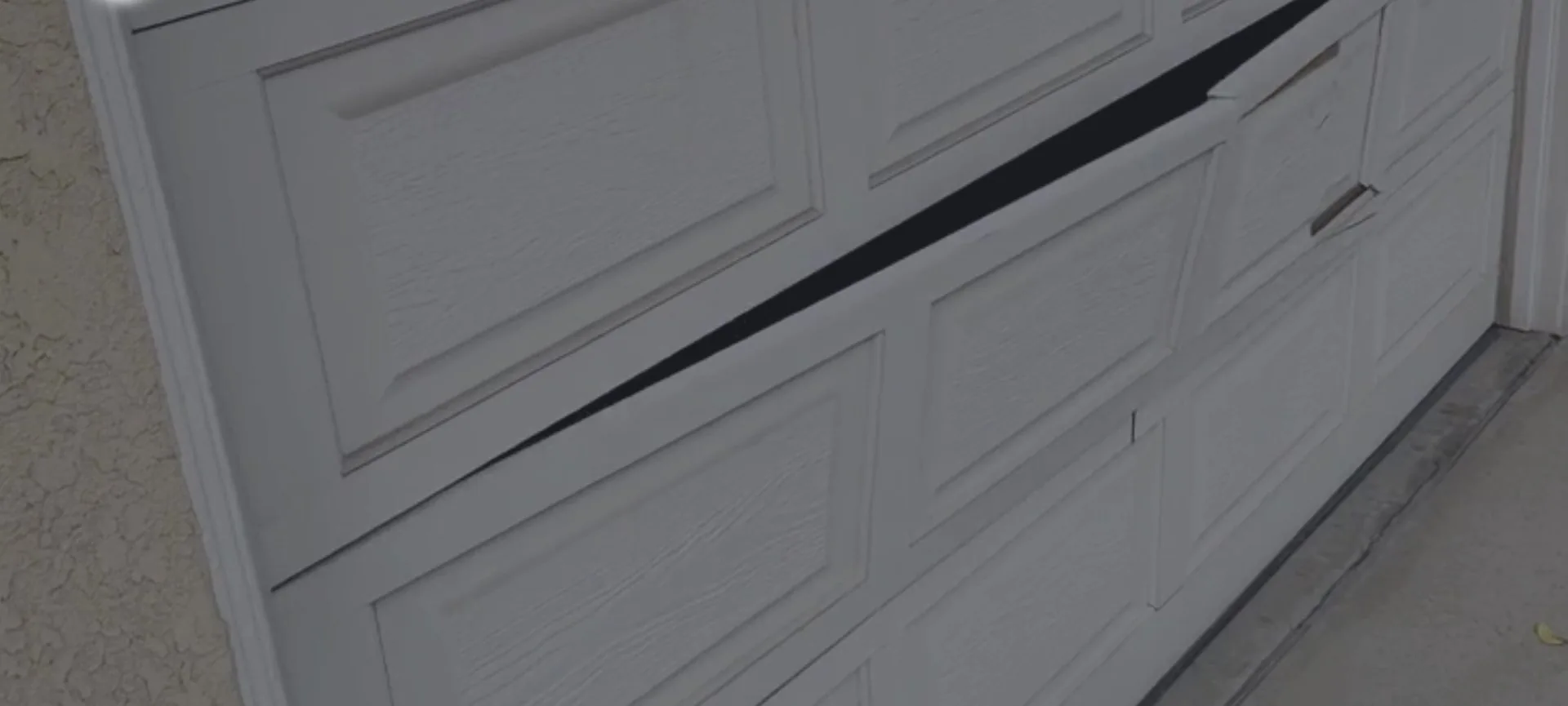
One damaged section rarely forces you into buying a whole new garage door. Garage door panel replacement swaps out the damaged section, often the bottom one that takes the hit from a bumper or a bike, while the rest of the door stays in place.
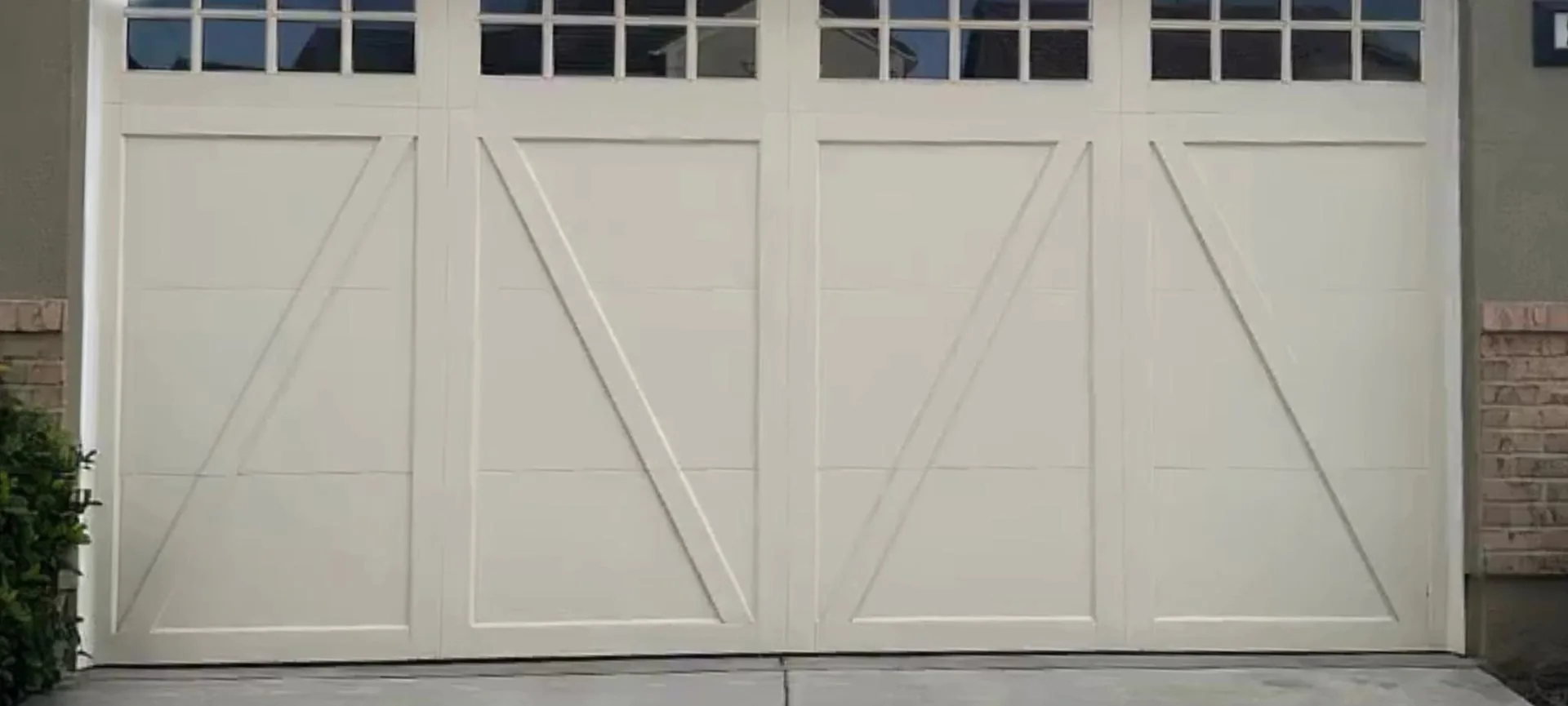
The catch is matching. The new section has to come from the same manufacturer and model, in the same size and design, or the door won't look or run right. We identify the door from its labels and section profile, then confirm whether a match is still available. If it isn't, we'll explain the trade-offs of a brand-new door. A hit hard enough to bend panels often reaches the track, so we also check for track damage and bent roller stems.
Bumper meet the door?
If the door still moves, stop using it until it's been checked. Call and describe the damage.
Panel work we do
What gets replaced depends on where the damage sits and how far it spread.
Bottom section replacement
The most common swap. Includes moving the bottom brackets over and checking the bottom seal.
Middle or top section
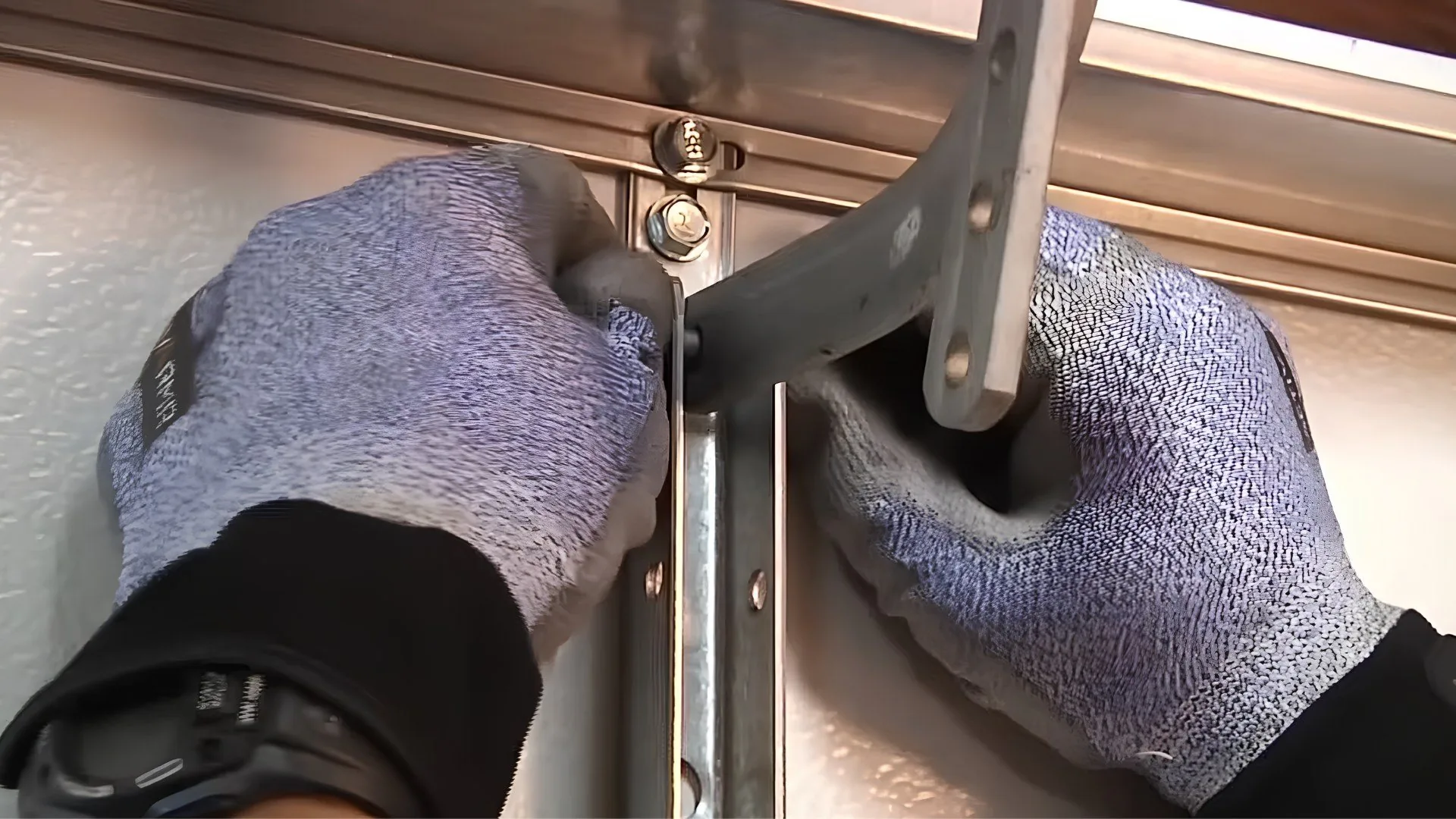
Replaced with hinges and roller carriers transferred or renewed, so the section rides level in the track.
Strut reinforcement
Wide doors, and doors with an opener attached, may need a horizontal strut to keep sections from flexing.
Matching check
Size, profile and color of the replacement confirmed before ordering, so you know what you're getting.
Leave it, swap a section, or replace the door
Leave it alone
Small dings that don't crease the steel or stop the section from bending through the curve can often stay.
Replace one section
A crease, split or pulled hinge on one or two sections, with the rest of the door in good shape.
Replace the whole door
Damage across several sections, or no matching section available for an older model.
Section damage that needs attention
Look at the door from inside and out:
- A crease across the sectionSteel folded along a line loses strength and can buckle further each cycle.
- Cracks along the panel edgesSplits near the joints spread as the door bends through the curve.
- Hinges pulling looseTorn metal around hinge screws means that section can't hold its hardware.
- Rust coming throughBubbling paint or rust holes, common on bottom sections, mean the steel is thinning.
- Gaps between sectionsA door that won't close flat often has a bent section or damaged hinge.
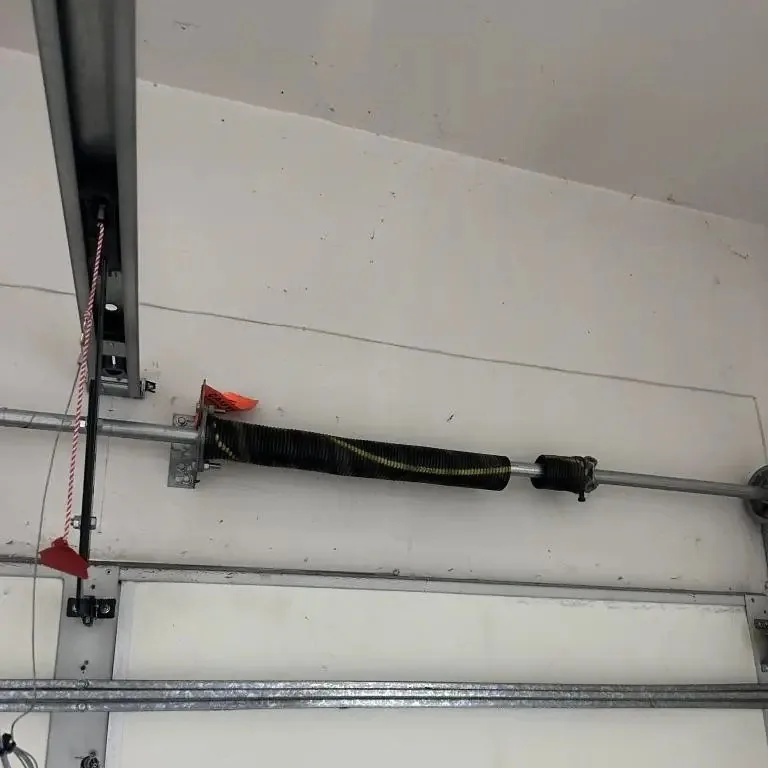
Safety first. A bent section changes how the door moves and puts extra strain on the springs and cables. Avoid running the door with a creased panel, and don't unbolt sections yourself: the bottom bracket is tied to the lift cable and holds spring tension.
Why call Omega for panel replacement
Match confirmed first
We check that an exact section is available before recommending a swap.
Track and rollers looked at too
Impacts rarely stop at the panel, so we check what the door rides on.
Hardware moved over or renewed
Hinges and brackets on the new section are fitted so it moves with the others.
Office in Laguna Niguel
Panel calls covered across the full county, coast to inland.