 Omega Garage Door Repair Service
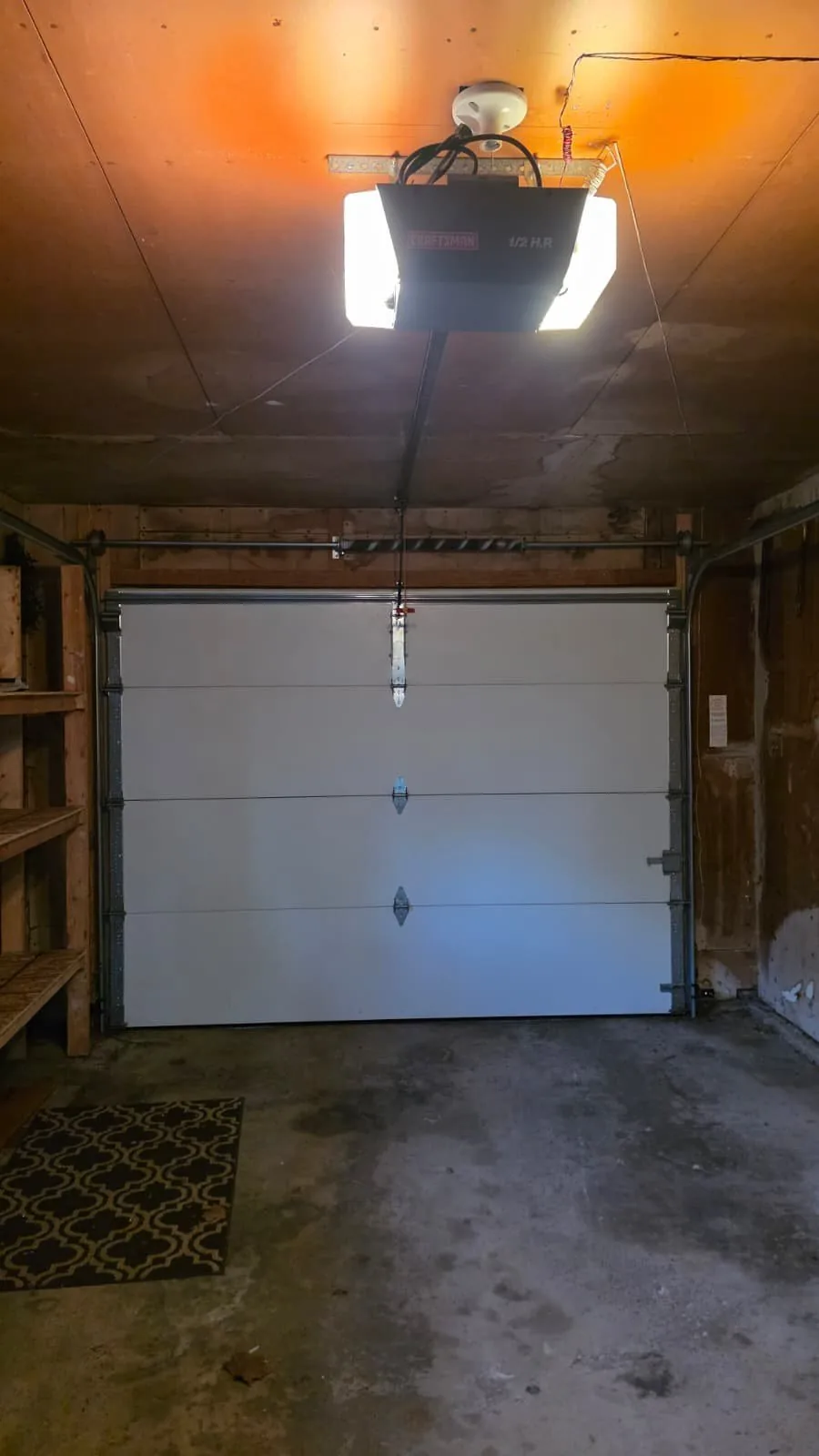
Senate Bill 969 came out of the 2017–2018 legislative session. It added Section 19892 to the California Health and Safety Code and updated the penalty rules in Section 19891.
The short version: since July 1, 2019, California has required residential garage door openers sold or installed in the state to include a battery backup that keeps them running in a power outage.
Why California passed it
The Assembly committee analysis of SB 969 points to the 2017 Northern California wildfires, which killed 43 people. According to that analysis, at least five of those deaths happened during evacuations when people could not get their cars out of the garage because the power was out.
The analysis also notes that utilities sometimes shut off power ahead of time to keep downed lines from starting new fires. When that happens, a standard opener stops working at the moment you might need to leave.
Orange County knows this risk. Wikipedia's article on the Santa Ana winds describes them as dry winds from the interior that drive most wildfires in Southern California.
What SB 969 requires
- Battery backup on new openers. From July 1, 2019, an automatic garage door opener manufactured for sale, sold, offered for sale or installed in a California home must have a battery backup function designed to work during an electrical outage.
- All residential openers. The section applies to every automatic opener manufactured and sold for use in a residence.
- Replacement doors count too. Putting a new residential door on an opener without battery backup is not allowed.
- Penalties. The law sets a civil penalty of $1,000 per opener installed, manufactured, sold or offered for sale in violation.
Does it apply to my house?
If you are keeping your current opener and door
The law covers openers sold or installed from July 1, 2019 on. It does not order homeowners to swap out an older opener that is already on the wall and still working.
If you are buying a new opener
Any new residential opener installed in California should have battery backup. If you are comparing models, confirm it before it goes up. Our opener repair and replacement service covers both.
If you are replacing the door
This one surprises people. If the existing opener has no battery backup, the new door cannot be hooked up to it. Plan for an opener upgrade in the same project. See garage door installation for how we approach a full replacement.
How to check your own opener
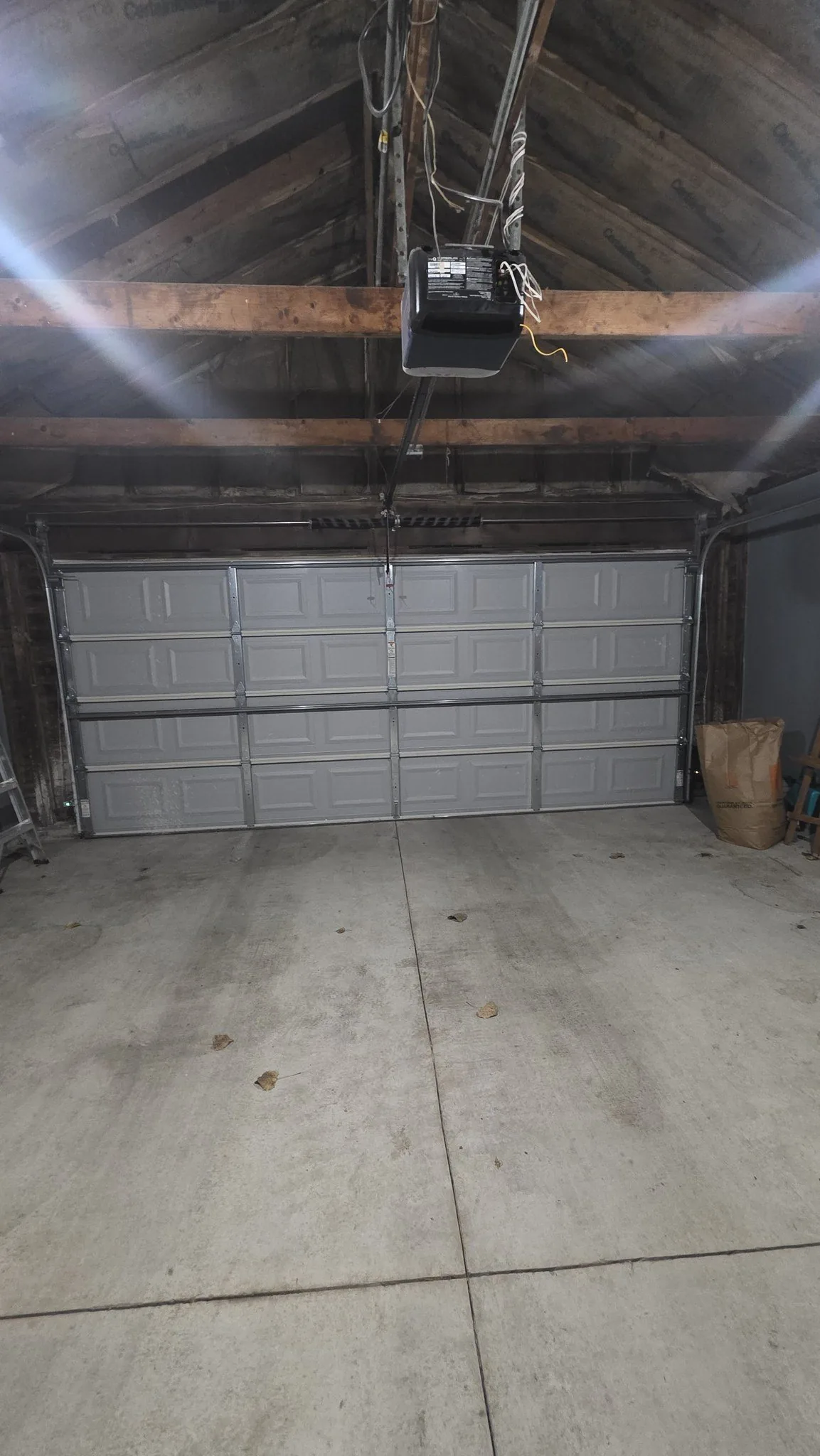
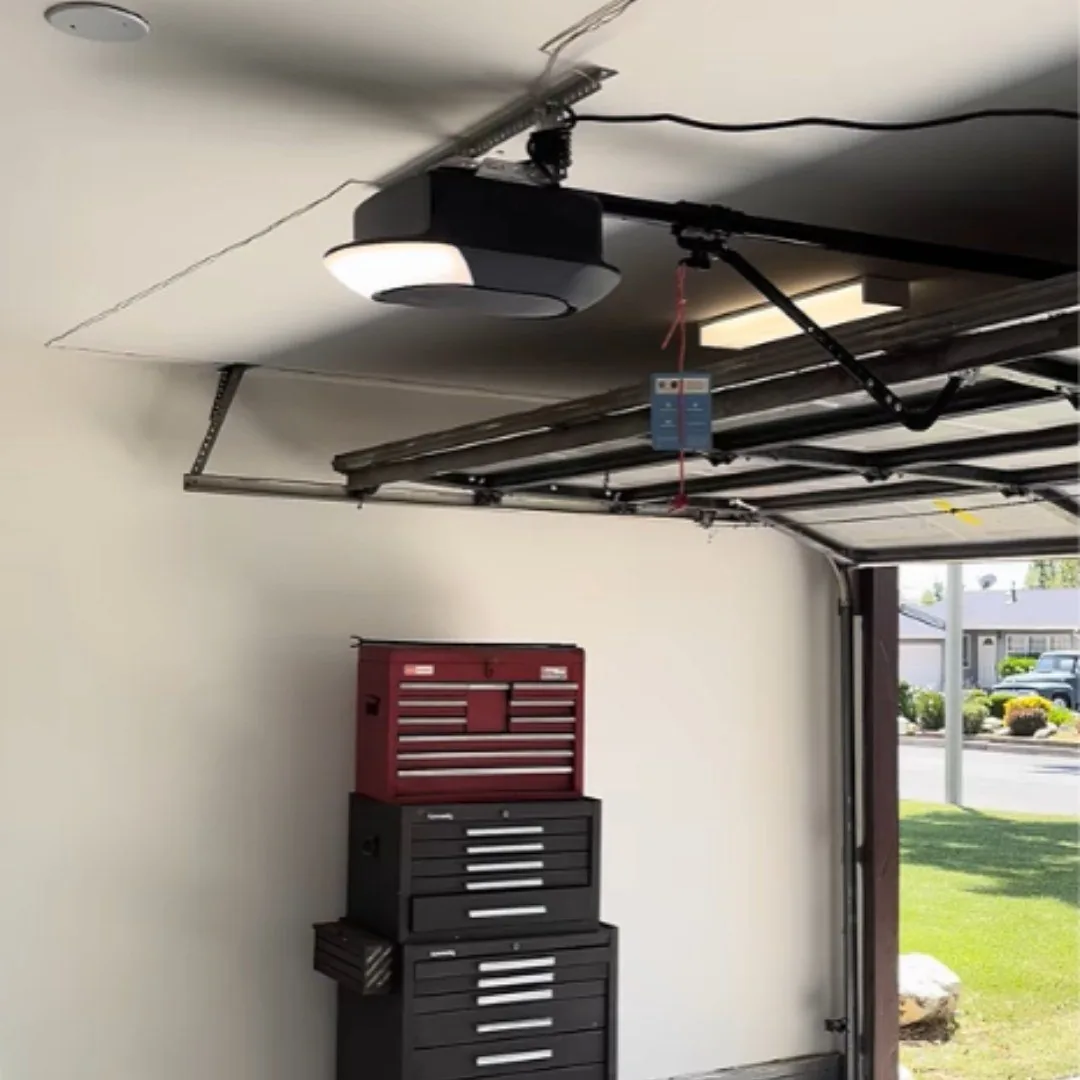
- Look at the motor unit for a battery compartment, a battery status light or a label that mentions battery backup.
- Find the model number on the label and look it up in the owner's manual or on the maker's website.
- If you have backup, test it. With the door clear, switch off the opener's power at the breaker (or unplug it) and try the wall button.
- Backup batteries do not last forever. Follow the manual for replacement intervals.
Every opener has a release cord for disconnecting the door. A door with a broken spring is very heavy, so if the door will not move easily by hand, stop and call a technician instead of forcing it.
We handle opener work across Orange County, from Anaheim and Yorba Linda to Mission Viejo.
Need it fixed?
Garage Door Opener Repair across Orange County
A technician who shows you the failed part and quotes the fix before starting.
Frequently asked questions
Do I have to replace my old opener because of SB 969?
The law applies to openers manufactured, sold, offered for sale or installed on or after July 1, 2019. It does not tell homeowners to replace an older working opener. It does block connecting a replacement door to an opener that has no battery backup.
What is the penalty for breaking the law?
Section 19891 of the Health and Safety Code puts the fine at $1,000 for each noncompliant opener. That applies to installers and sellers as well as manufacturers.
Why did California require battery backup?
The Assembly analysis of SB 969 cites the 2017 Northern California wildfires, when some residents could not get their cars out of their garages during power outages, and preemptive utility power shutoffs during fire weather.