 Omega Garage Door Repair Service
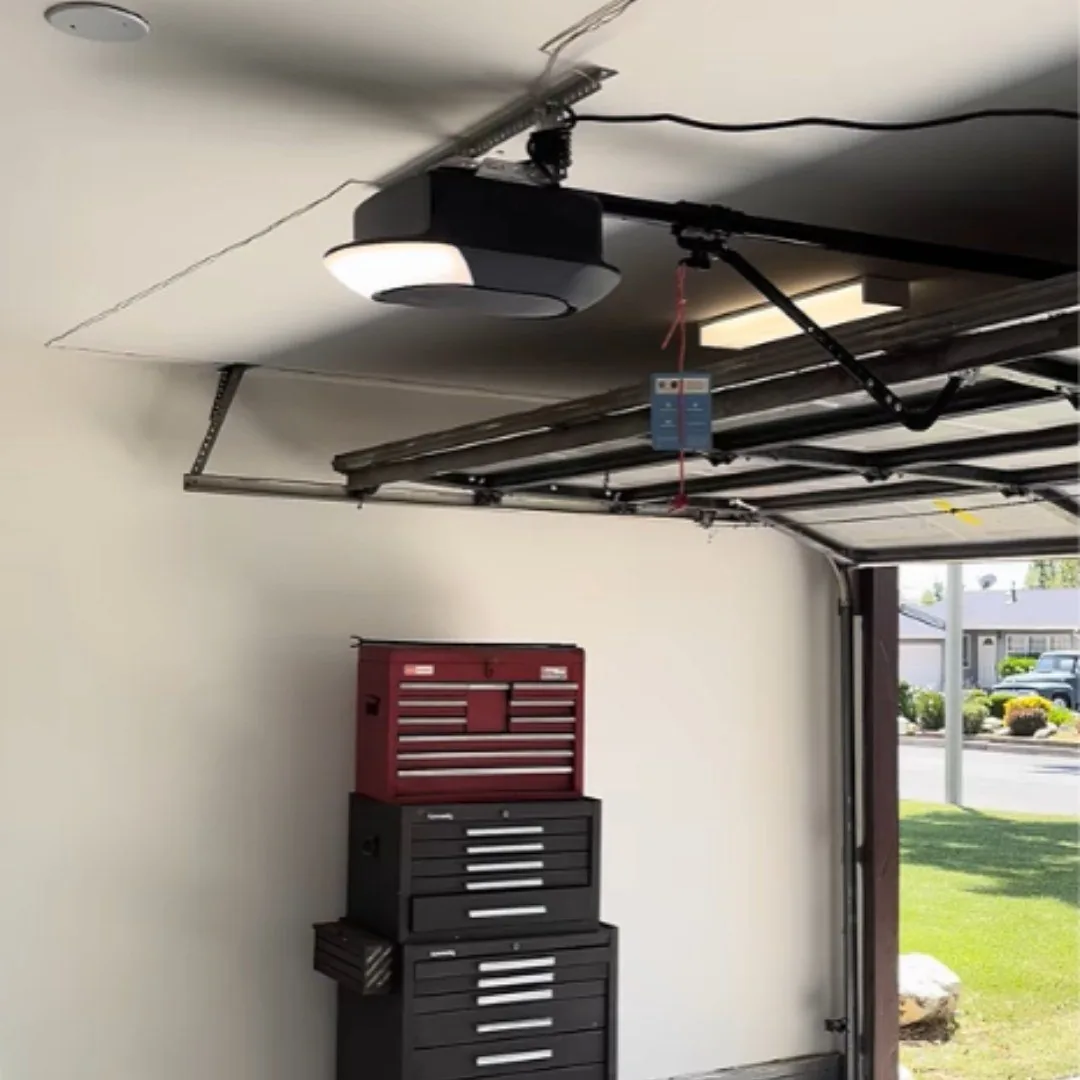
The U.S. Consumer Product Safety Commission (CPSC) tells homeowners to inspect the garage door and opener every 30 days to make sure they work properly.
Some checks are quick and safe for anyone. Others, mainly anything involving springs and cables, belong to a technician. The list below keeps the two apart.
Every month: safety checks
1. The 2x4 reverse test
CPSC guidance: lay a 2x4 flat on the floor in the door's path and close the door. It should reverse when it hits the board. Federal rules for openers (16 CFR Part 1211) require reversal to start within 2 seconds of contact. If it does not reverse, the CPSC says to disconnect the opener until it is adjusted per the manual, repaired or replaced.
2. The photo eye test
The small sensors near the floor on each side are the photo eyes. Start closing the door and pass an object through the beam. DASMA, the door industry's trade group, says blocking the beam should keep the door from closing. The CPSC says electric eyes belong 4 to 6 inches above the floor.
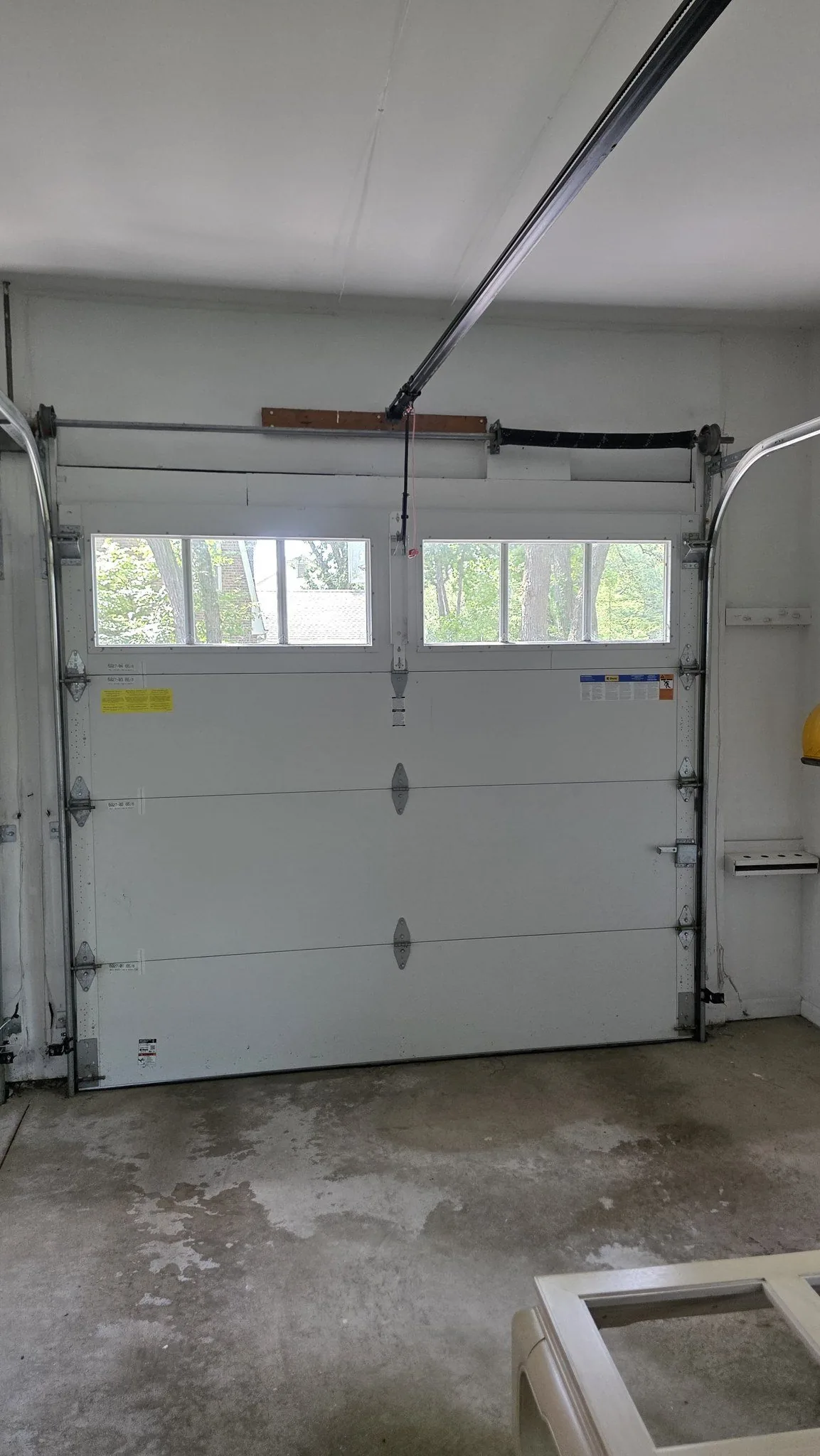
3. Look and listen
- Run the door through a full cycle and listen for grinding, scraping or popping.
- Watch that both sides rise evenly.
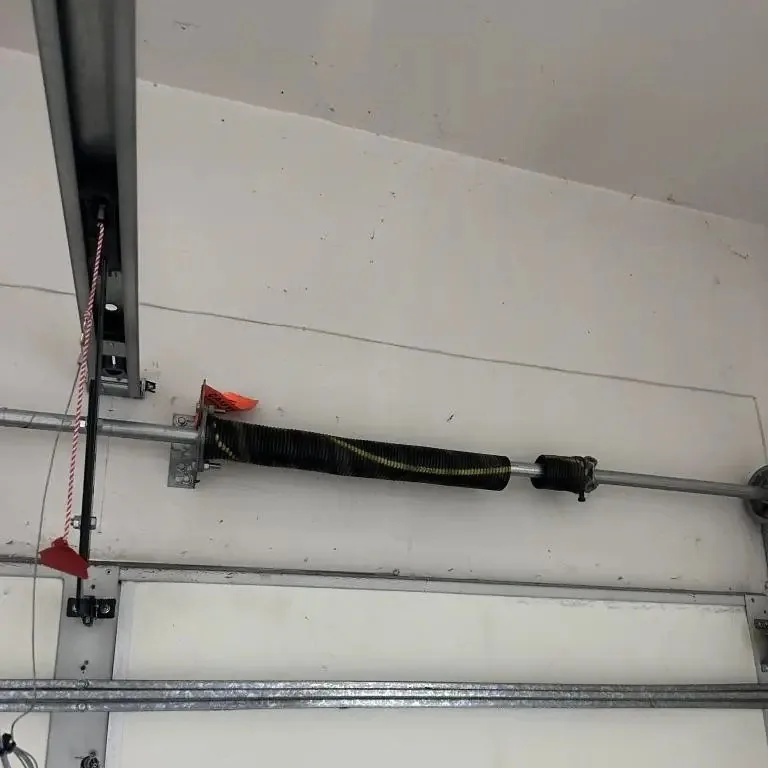
- Look at the springs and cables from the floor for gaps, rust or fraying strands.
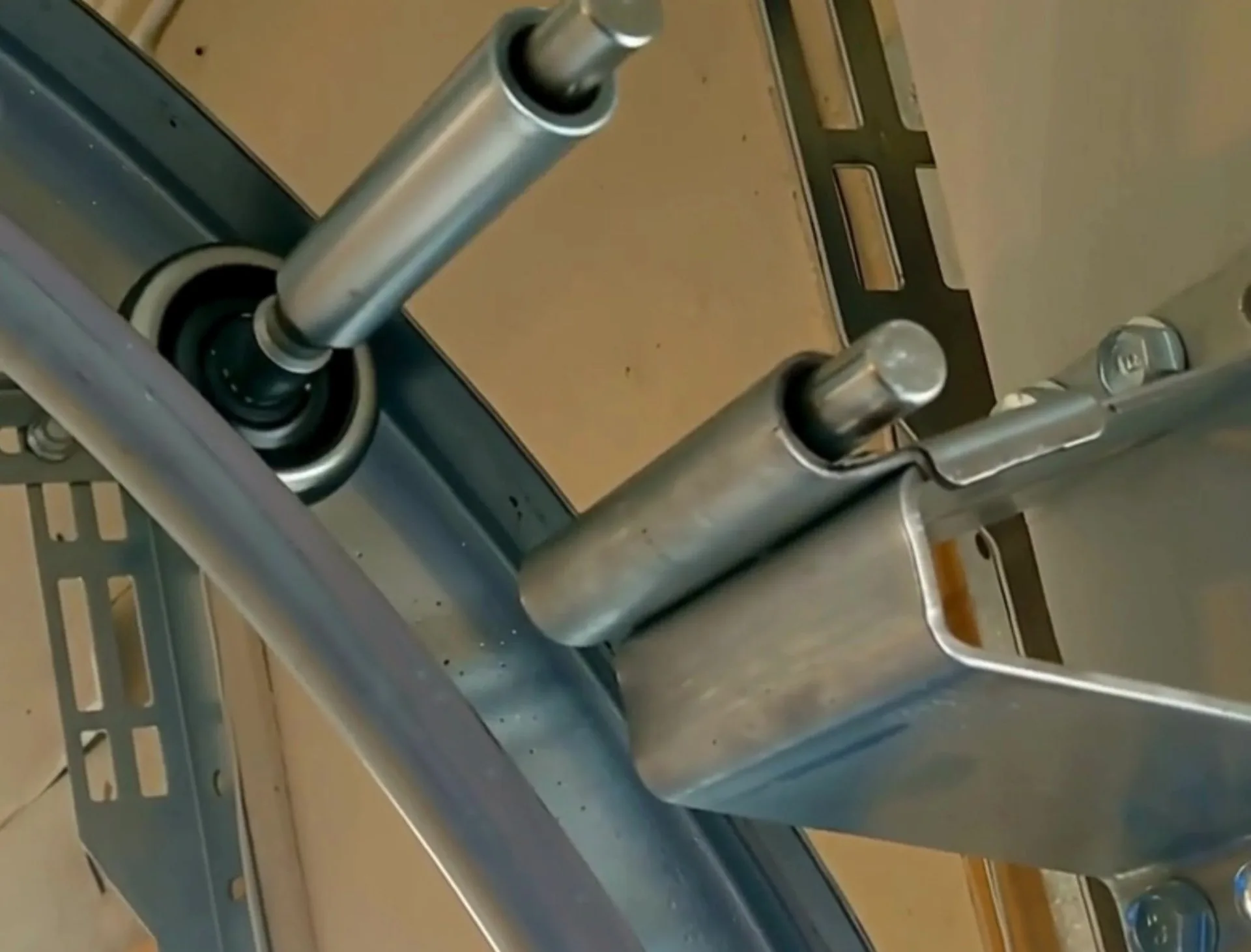
- Check rollers and hinges for wobble or cracks.
Twice a year: balance, cleaning and lubrication
Balance test
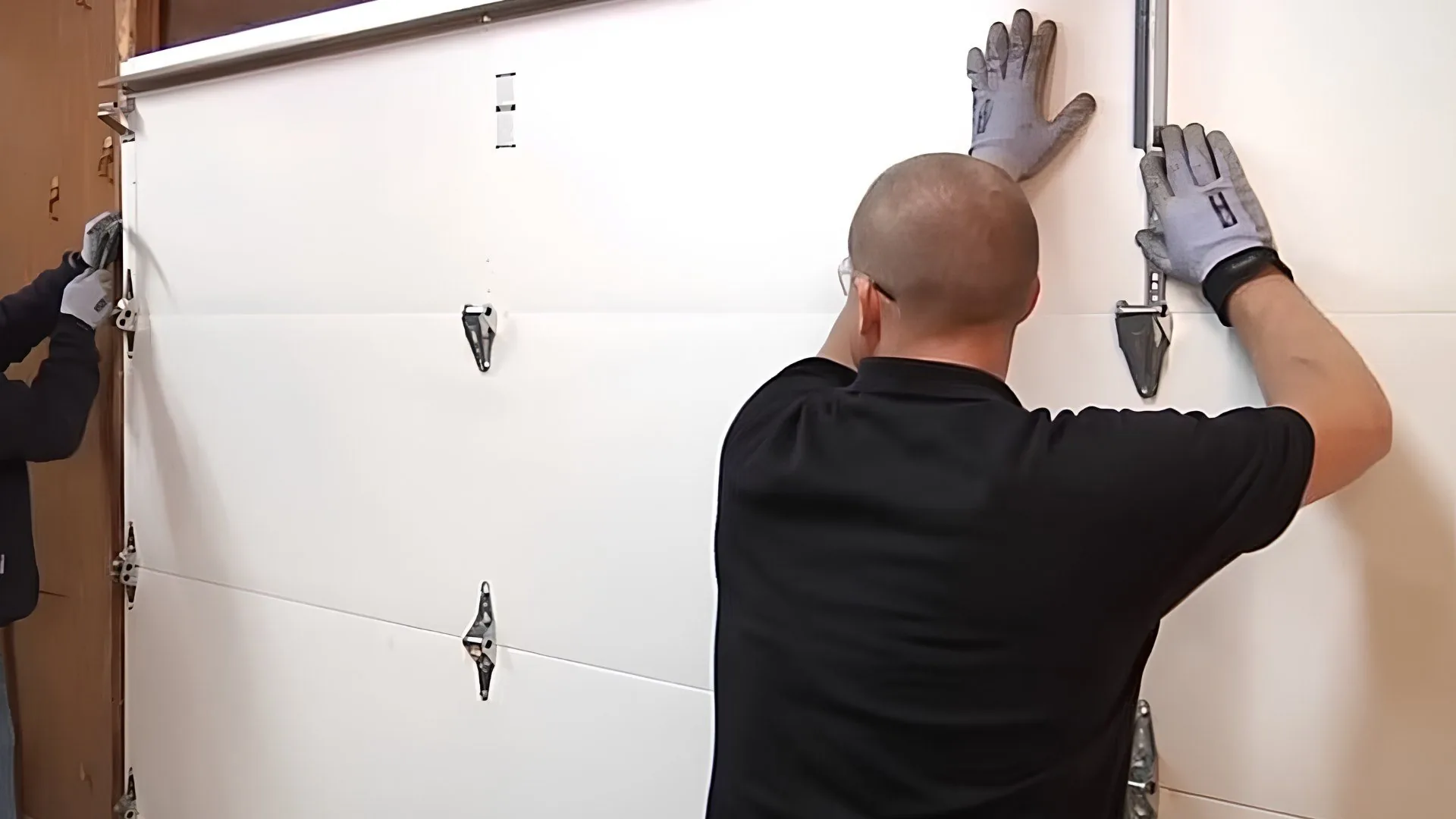
The CPSC suggests using the door handle to move the door up and down by hand to check that the springs are doing their job. With the opener disconnected, a balanced door should move without much effort. If the door is out of balance, binds or sticks, the CPSC says it should be serviced by a professional.
Clean and wax
Clopay says metal door surfaces should be cleaned and waxed at least twice a year, and quarterly in coastal or other harsh environments. Use a mild cleaner and skip scouring powders and solvents.
Lubricate moving parts
Follow your door and opener manuals for which parts to lubricate and with what.
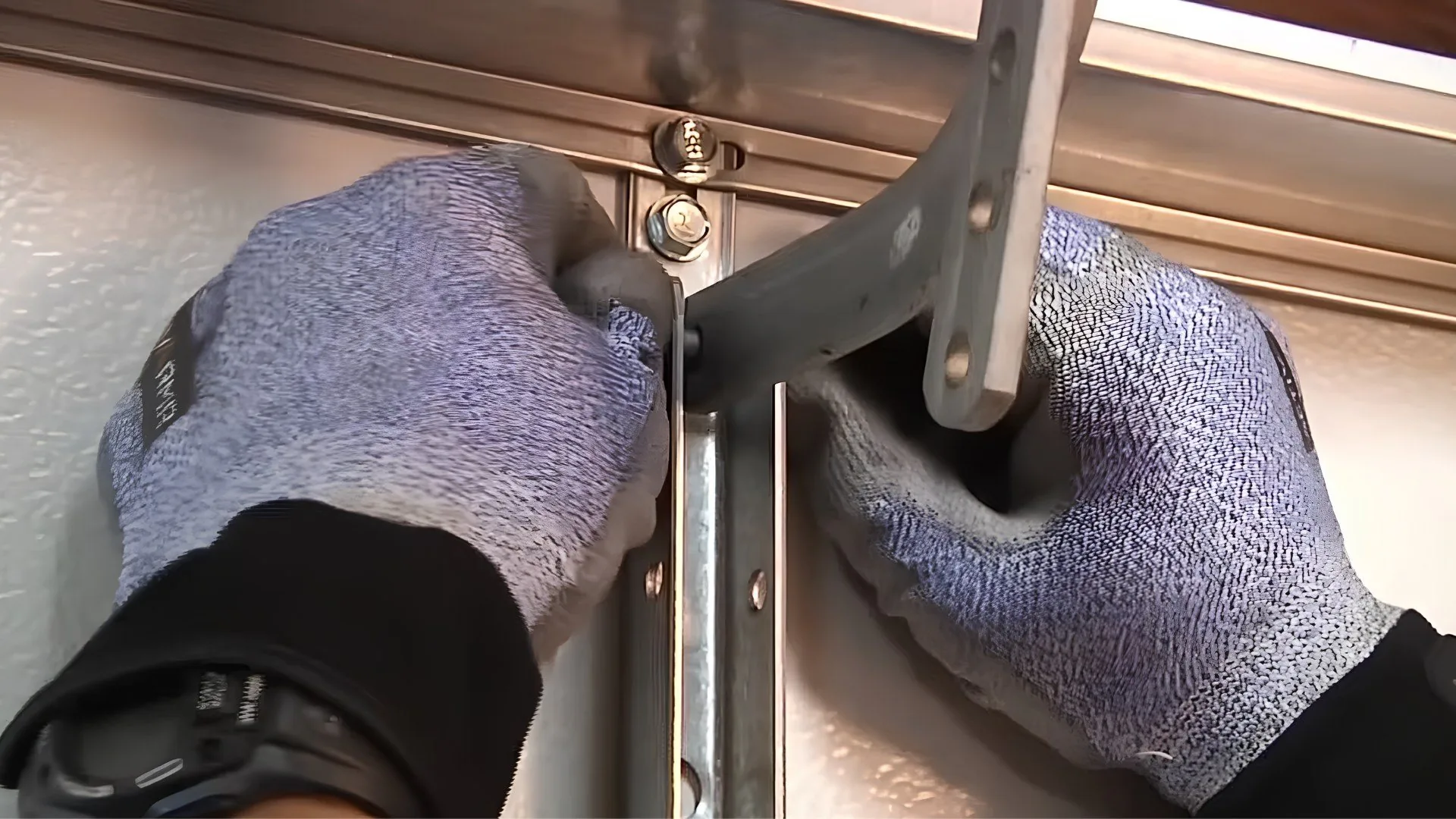
Never loosen bottom brackets, adjust spring tension or remove cables yourself. Those parts hold the door's weight.
Quick checks that are easy to forget
- Remotes. The CPSC says to keep the remote away from children. Clip it to a visor, not a toy box. Lost or failing remote? See remotes and keypads.
- Battery backup. If your opener has one, test it once in a while by cutting power and using the wall button.
- Weather seal. A cracked bottom seal lets in dust, water and pests.
When to book a professional tune-up
Book one if the door fails the reverse test, feels heavy in the balance test, or makes new noises. A technician can adjust springs and limits and replace worn parts safely. Our garage door tune-up page lists what is covered, and roller replacement is a common add-on for noisy doors.
We service doors countywide, from Fullerton and Cypress to Costa Mesa and San Clemente.
Need it fixed?
Garage Door Tune-Up across Orange County
A technician who shows you the failed part and quotes the fix before starting.
Frequently asked questions
How often should I test my garage door's auto-reverse?
The CPSC recommends inspecting the door and opener every 30 days. The reverse test with a 2x4 on the floor is a quick part of that check.
Where should the photo eyes be mounted?
The CPSC says electric eyes should be installed 4 to 6 inches above the floor. If yours are higher, or knocked out of line, have them adjusted.
What maintenance should I leave to a technician?
Anything involving springs, cables or bottom brackets. They are under heavy tension. Balance problems and a failed reverse test also call for professional service.